
Energy use is no longer just a background operational detail. It directly affects costs, sustainability goals, and regulatory compliance. Organisations today are expected to understand how efficiently they use energy and demonstrate improvements over time. This is where Energy Benchmarking becomes essential.
Energy Benchmarking allows businesses, property owners, and facility managers to compare their energy performance against similar buildings or historical data. It transforms raw energy data into meaningful insights that support smarter, more confident decisions. Instead of guessing where improvements are needed, benchmarking provides clear direction backed by measurable performance indicators.
When done properly, it helps organisations reduce energy waste, meet energy benchmark compliance requirements, and stay aligned with evolving energy benchmarking and disclosure compliance regulations.
What Is Energy Benchmarking and Why It Matters
Energy Benchmarking is the process of measuring a building or facility’s energy use and comparing it against a standard. This could be similar buildings, industry averages, or past performance.
The purpose is simple. It helps you understand whether your energy use is efficient or excessive. Without benchmarking, it is difficult to know if high energy costs are normal or a sign of inefficiency.
For businesses operating in regulated regions, benchmarking is not optional. Many jurisdictions require reporting under energy benchmarking and disclosure compliance laws. These regulations aim to increase transparency and encourage energy efficiency improvements across industries.
Beyond compliance, benchmarking supports better planning. It highlights inefficiencies, identifies opportunities for upgrades, and helps prioritise investments that deliver real value.
Key Energy Benchmarking Metrics You Should Know
To make the most of Energy Benchmarking, it is important to understand the metrics that drive insights. These metrics act as a foundation for evaluating performance and making informed decisions.
Energy Use Intensity (EUI)
Energy Use Intensity is one of the most widely used benchmarking metrics. It measures the amount of energy consumed per square foot of a building.
A lower EUI generally indicates better energy efficiency. By comparing your EUI with similar buildings, you can quickly assess whether your property is performing well or needs improvement.
Energy Cost per Square Foot
This metric focuses on financial performance. It calculates how much is spent on energy for each square foot of space.
Tracking this metric helps businesses control operational costs and identify areas where energy savings can directly improve profitability.
Carbon Emissions
Sustainability is now a priority for many organisations. Measuring carbon emissions alongside energy consumption provides a clearer picture of environmental impact.
This metric is especially important for companies working towards net-zero goals or complying with environmental regulations linked to energy benchmark compliance.
Peak Energy Demand
Peak demand refers to the highest level of energy consumption during a specific period.
Understanding peak demand is important because it often drives utility costs. Reducing peak usage can lead to significant savings and improved system efficiency.
Year-over-Year Energy Performance
Comparing energy use over time helps track progress. It shows whether energy-saving initiatives are working or if adjustments are needed.
Consistent monitoring ensures that improvements are not just temporary but part of a long-term strategy.
How Energy Benchmarking Supports Smarter Decisions
Energy Benchmarking is not just about collecting data. Its real value lies in how that data is used.
When organisations rely on benchmarking metrics, decision-making becomes more precise. Instead of relying on assumptions, they can identify exactly where inefficiencies exist.
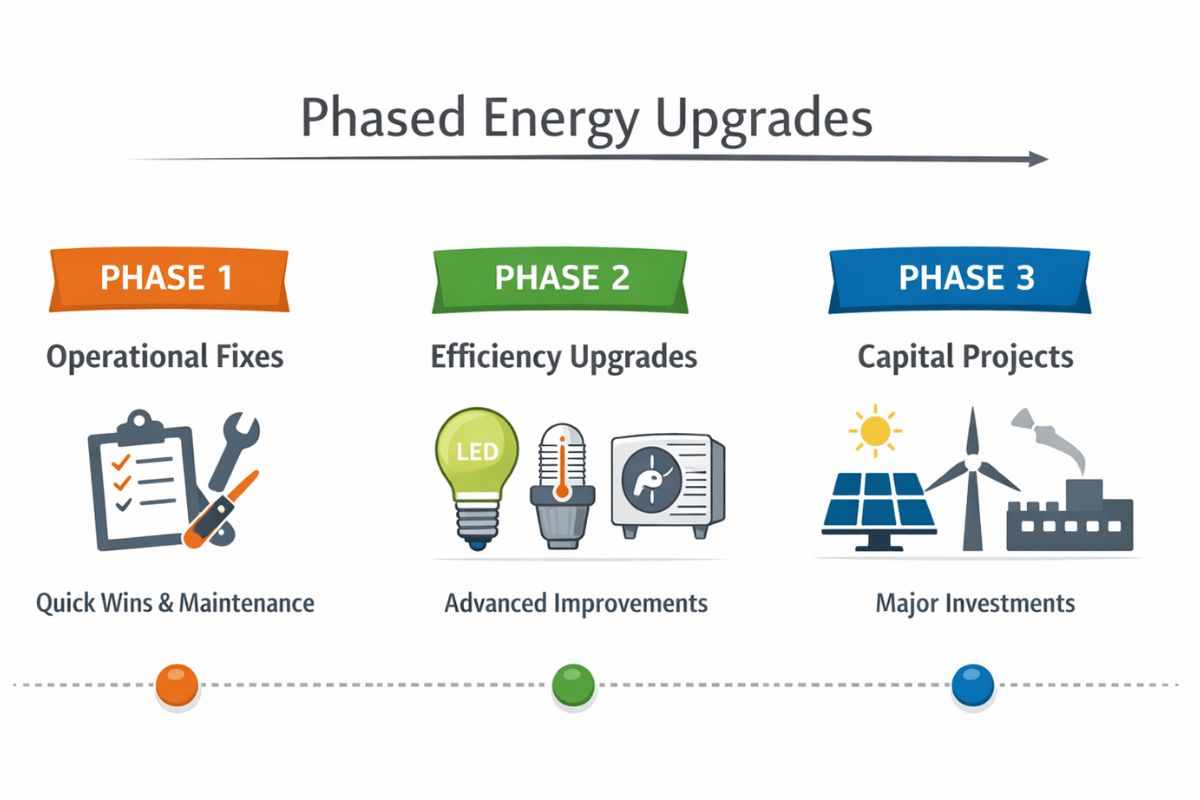
For example, if a building’s EUI is significantly higher than similar properties, it signals the need for investigation. This might lead to upgrading HVAC systems, improving insulation, or optimising operational schedules.
Benchmarking also helps prioritise investments. Rather than spreading resources across multiple projects, businesses can focus on areas that deliver the highest impact.
It also supports long-term planning. With clear performance trends, organisations can set realistic energy reduction goals and track progress over time.
The Role of Compliance in Energy Benchmarking
Compliance plays a major role in how organisations approach Energy Benchmarking. Many cities and states require building owners to report energy usage annually.
Meeting energy benchmarking and disclosure compliance requirements ensures transparency and accountability. It also helps regulators track energy performance across regions and industries.
However, compliance is not just about avoiding penalties. It offers an opportunity to improve efficiency and enhance property value. Buildings with strong energy performance often attract tenants and investors who prioritise sustainability.
Using the right tools can make compliance much easier. Platforms like
https://vertpro.com/benchmark-compliance-platform/?utm_source=vertpro&utm_medium=SEO&utm_campaign=linkbuilding
help automate data collection, streamline reporting, and ensure that all requirements are met accurately and on time.
Leveraging Technology for Better Benchmarking Insights
Modern technology has made Energy Benchmarking more accessible and effective. Advanced software platforms can collect data from multiple sources, analyse performance, and generate detailed reports.
These tools reduce manual effort and minimise errors. They also provide real-time insights, allowing organisations to respond quickly to changes in energy usage.
Technology also plays a key role in maintaining energy benchmark compliance. Automated systems ensure that data is consistent, accurate, and submitted within required timelines.
With the right platform, businesses can move beyond basic reporting and gain deeper insights into their energy performance.
Common Challenges and How to Overcome Them
While Energy Benchmarking offers many benefits, it can come with challenges.
One common issue is data accuracy. Incomplete or incorrect data can lead to misleading results. Ensuring proper data collection and validation is essential.
Another challenge is understanding the metrics. Not all organisations have the expertise to interpret benchmarking results effectively. This can limit the value of the process.
Time and resource constraints can also make benchmarking difficult, especially for organisations managing multiple properties.
These challenges can be addressed by using specialised platforms and working with experts who understand both benchmarking and compliance requirements.
Conclusion
Energy Benchmarking is more than just a reporting requirement. It is a powerful tool for improving efficiency, reducing costs, and supporting sustainability goals.
By focusing on the right metrics, organisations can gain clear insights into their energy performance and make smarter decisions. Whether it is reducing operational expenses, meeting energy benchmarking and disclosure compliance, or achieving long-term environmental targets, benchmarking provides a solid foundation.
As energy regulations continue to evolve, adopting a structured and data-driven approach becomes even more important. With the right strategy and tools, Energy Benchmarking can transform how organisations manage energy and unlock meaningful, lasting improvements.













Write a comment ...