
Energy compliance is no longer a back-office task handled once a year—it has become a strategic responsibility tied directly to cost control, asset value, and environmental accountability. As cities and governments enforce stricter energy benchmarking and performance laws, building owners and property managers are under increasing pressure to deliver accurate reporting while improving real-world energy outcomes.
Traditional energy benchmarking methods, built around manual data collection and historical comparisons, struggle to keep up with today’s complex building systems and evolving regulations. Artificial Intelligence (AI) is redefining this process. By enabling deeper analysis, automation, and predictive insight, AI-driven energy benchmarking allows organizations to move beyond compliance checklists toward smarter, continuous energy management.
This shift is not simply technological—it represents a fundamental change in how compliance, efficiency, and sustainability intersect.
Energy Benchmarking and Compliance: The Foundation of Modern Energy Policy
Energy benchmarking serves as the cornerstone of many energy efficiency regulations. At its core, benchmarking involves measuring a building’s energy consumption and comparing it to similar properties or standardized performance metrics. These comparisons help identify inefficiencies, highlight improvement opportunities, and establish accountability across the built environment.
Compliance laws build upon benchmarking by requiring disclosure, reporting, or adherence to performance thresholds. Governments use these laws to drive measurable reductions in energy use and carbon emissions. However, the effectiveness of compliance depends heavily on data quality, consistency, and interpretation—areas where traditional methods often fall short.
Manual benchmarking processes are prone to delays, errors, and incomplete datasets. As regulations expand in scope and complexity, the gap between regulatory intent and real-world execution becomes increasingly apparent. AI is emerging as the bridge that closes this gap.
The Growing Role of Artificial Intelligence in Energy Management
Artificial Intelligence has become a powerful force across industries because of its ability to process massive volumes of data and uncover insights that humans alone cannot. In the energy sector, AI is particularly valuable because buildings generate continuous streams of data from meters, sensors, equipment, and control systems.
AI systems can analyze this data in real time, learning how buildings behave under different conditions and identifying patterns that signal inefficiency or risk. Instead of reacting to energy problems after they occur, AI enables proactive energy management—anticipating issues before they impact performance or compliance.
As energy costs rise and sustainability expectations intensify, AI is no longer an experimental tool. It is becoming a core component of intelligent energy strategies.
How AI Transforms Energy Benchmarking
Traditional energy benchmarking relies heavily on historical utility data, often reviewed annually. While this approach provides a snapshot of past performance, it fails to reflect how buildings actually operate day to day. AI-driven energy benchmarking changes this by introducing continuous, adaptive analysis.
AI systems can factor in weather conditions, occupancy patterns, operating schedules, and equipment performance to create benchmarks that are context-aware. This means buildings are evaluated more fairly and accurately, based on how they are used rather than static assumptions.
Over time, AI models learn from new data, refining benchmarks and improving predictions. The result is a living benchmarking system that evolves alongside the building, providing insights that are both timely and actionable.
Improving Data Accuracy and Reliability with AI
One of the biggest challenges in energy benchmarking is data integrity. Missing utility bills, estimated readings, and inconsistent meter data can distort results and undermine compliance efforts. AI addresses these challenges by validating, cleansing, and reconciling data automatically.
Through pattern recognition and anomaly detection, AI can identify when data does not align with expected behavior. It can flag unusual spikes, fill data gaps using predictive modeling, and normalize information across multiple sources. This significantly reduces the risk of reporting errors and improves confidence in compliance submissions.
Accurate data is the foundation of effective benchmarking, and AI ensures that this foundation is strong.
Smarter Compliance Through Automation and Intelligence
Energy compliance often involves navigating multiple regulations across different jurisdictions, each with unique reporting requirements and deadlines. Managing this manually is not only inefficient but also risky. AI-powered platforms streamline compliance by automating data collection, calculations, and report generation.
Automation ensures that compliance tasks are completed consistently and on time, reducing administrative burden and freeing teams to focus on performance improvement. More importantly, AI enables continuous compliance monitoring rather than annual check-ins.
By tracking energy performance in near real time, AI systems can alert stakeholders when buildings approach non-compliance thresholds. This allows corrective actions to be taken proactively, minimizing penalties and reputational risk.
Turning Compliance into a Strategic Advantage
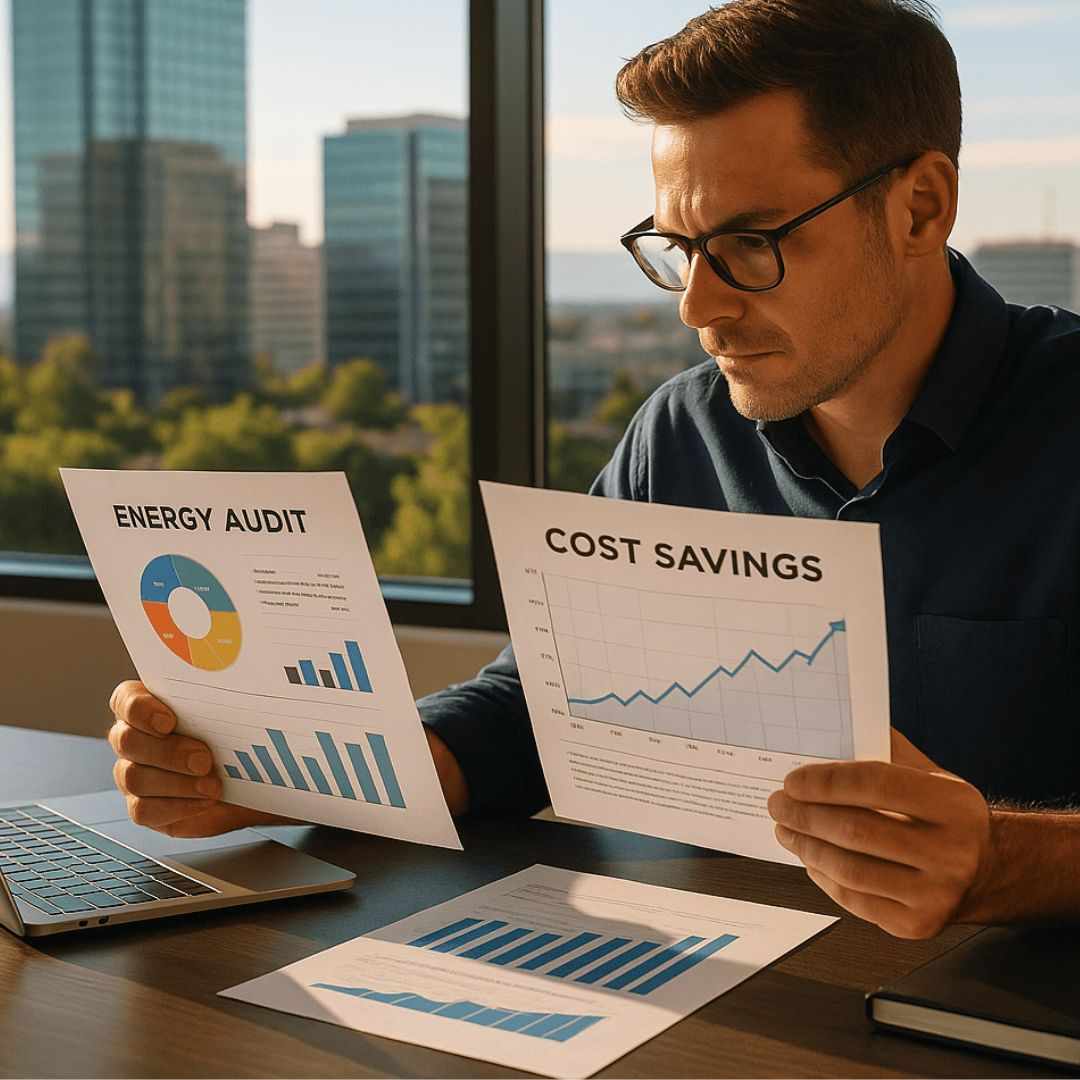
AI-driven energy benchmarking does more than simplify compliance—it unlocks operational and financial value. By identifying inefficiencies that would otherwise go unnoticed, AI helps organizations reduce energy consumption and operating costs.
For example, AI can detect equipment running outside normal schedules, inefficient HVAC interactions, or abnormal usage patterns that signal maintenance issues. Addressing these problems improves comfort, extends equipment life, and reduces utility expenses.
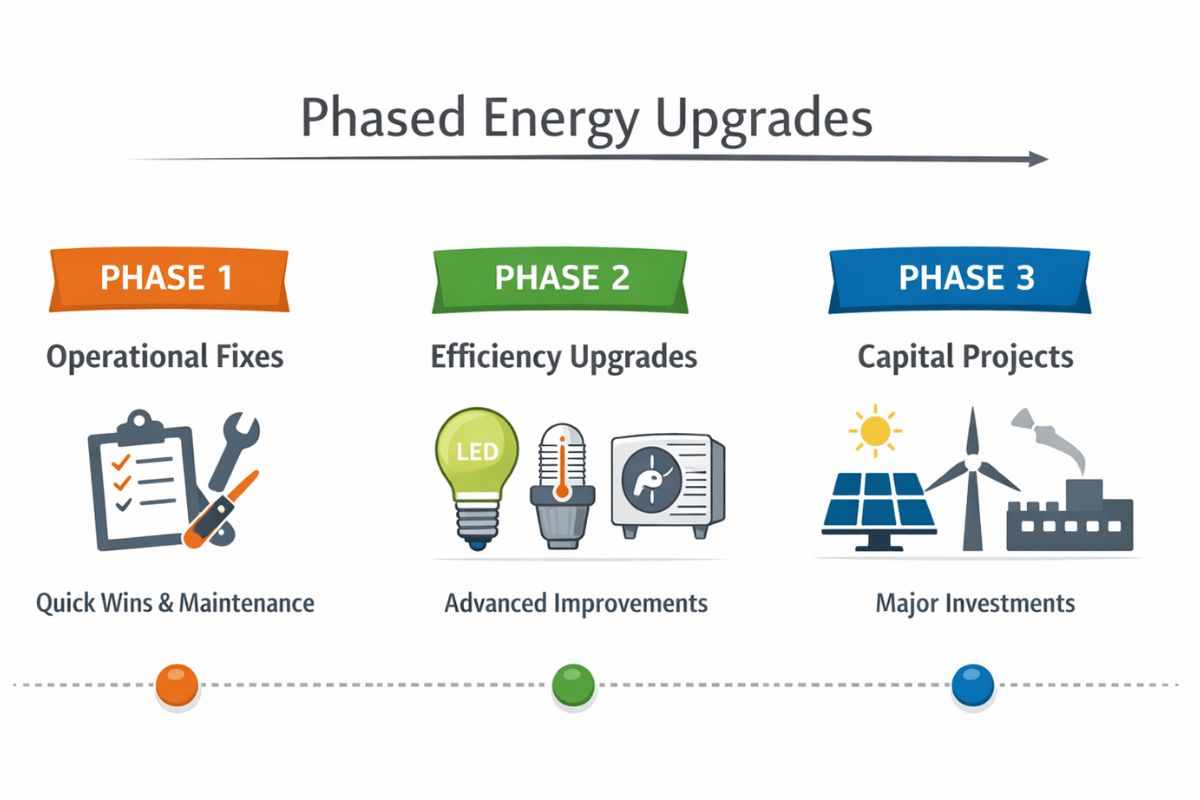
When compliance data is paired with AI-driven insights, organizations gain a clearer understanding of where to invest in upgrades and retrofits. This transforms compliance from a regulatory burden into a roadmap for smarter capital planning.
Managing Risks and Ethical Considerations
Despite its benefits, AI adoption in energy benchmarking requires careful consideration. Energy data can reveal sensitive information about building operations and occupancy patterns, making data security a top priority. Robust cybersecurity measures and clear data governance policies are essential to protect stakeholders.
Transparency is another critical factor. AI-driven decisions must be explainable and auditable, particularly in regulatory contexts. Stakeholders and regulators need assurance that AI systems are fair, accurate, and free from unintended bias.
Responsible implementation ensures that AI enhances trust rather than undermining it.
The Future of AI-Driven Energy Benchmarking and Compliance
As regulations evolve and sustainability goals become more ambitious, AI-driven energy benchmarking will play an increasingly central role. Future systems will integrate more deeply with IoT devices, building automation platforms, and carbon accounting tools.
Predictive analytics will enable long-term compliance planning, helping organizations anticipate regulatory changes and performance requirements years in advance. AI will also support broader ESG reporting, aligning energy data with corporate sustainability strategies.
In this future, compliance will no longer be a reactive process—it will be an ongoing, intelligent function embedded into everyday building operations.
Conclusion: Smarter Compliance Starts with Smarter Intelligence
AI-driven energy benchmarking represents a new era of energy compliance—one defined by intelligence, accuracy, and foresight. By transforming how energy data is collected, analyzed, and applied, AI empowers organizations to meet regulatory requirements while improving efficiency and sustainability.
As energy laws grow more complex and performance expectations rise, the organizations that succeed will be those that embrace intelligent solutions. Smarter compliance is not just about meeting today’s standards—it is about building resilient, efficient, and future-ready properties.
AI-driven energy benchmarking is no longer optional. It is the foundation of modern energy management and responsible compliance.












Write a comment ...